
Shift change creates blind spots.
When a CTK changes hands at 0600, the wand-down depends on a tired technician's discipline.
ToolSight
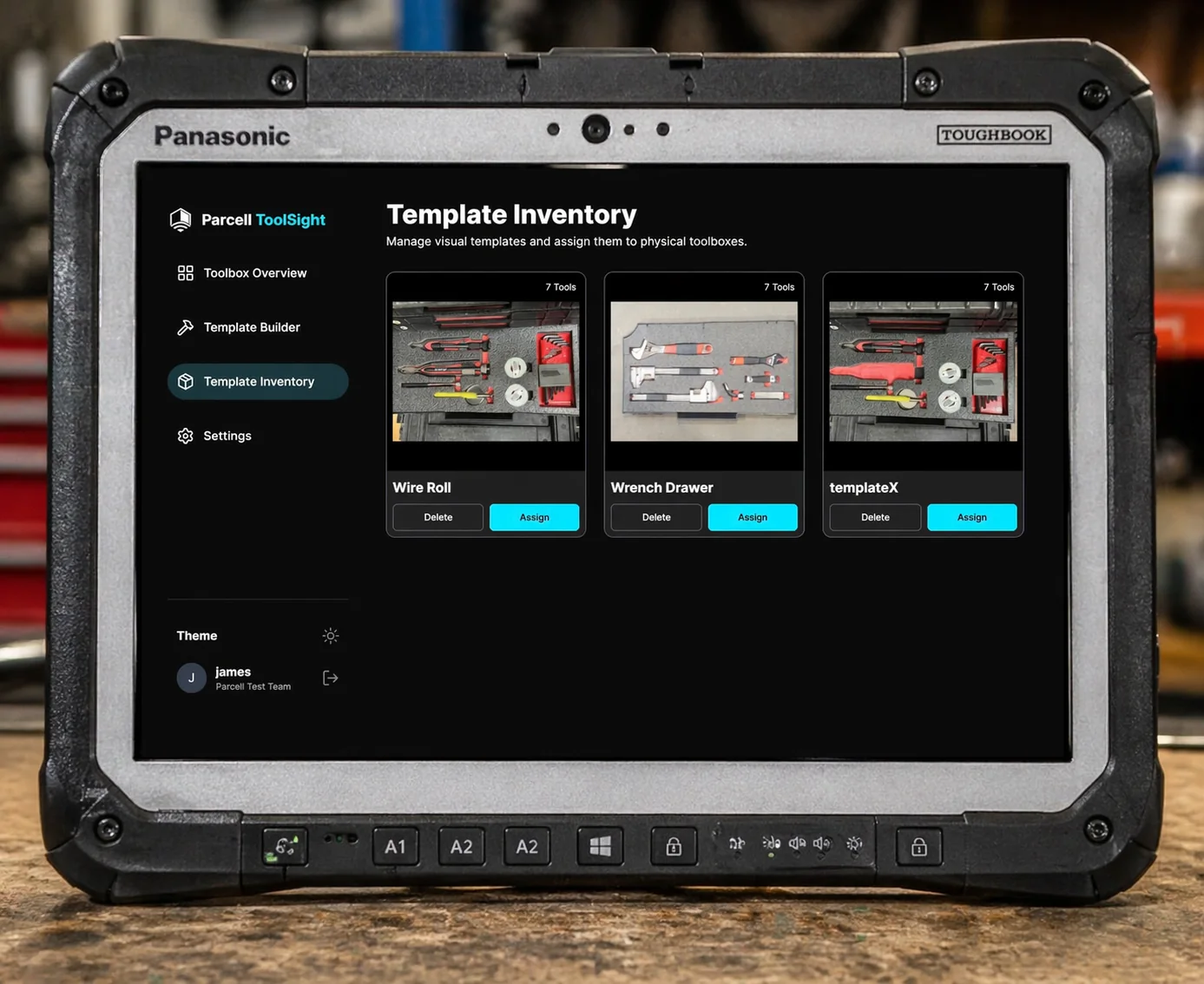
ToolSight inventories a composite tool kit from a single image. Connected mode runs in the cloud for full-fleet visibility; offline mode runs on the device for the flightline. Either way, the audit log writes itself.
Runs on iPhones & Androids your squadron already carries · No new hardware required
Problem
Manual tool checks depend on timing, lighting, attention, and handoff discipline. The risk shows up not when a tool is missing, but when one is believed to be accounted for and isn't.
When a CTK changes hands at 0600, the wand-down depends on a tired technician's discipline.
By the time a missing item is noticed, the team is already pulled away from the aircraft.
FOD walks, hangar sweeps, drawer-by-drawer reviews — the cost is hours per occurrence.
Solution
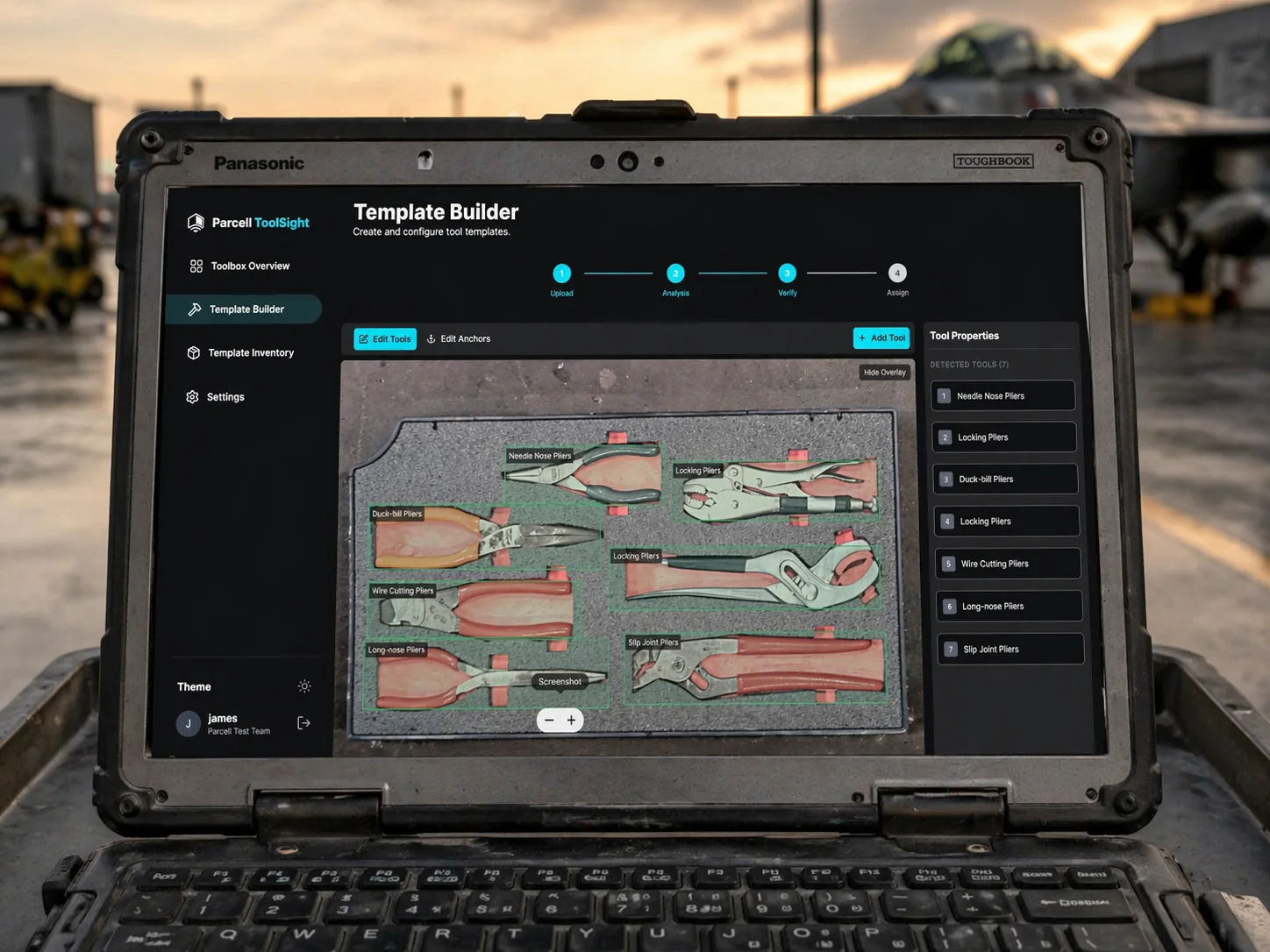
ToolSight uses captured images to confirm tool presence and surface exceptions. The workflow supports your existing tool control practice — it doesn't replace it with another manual record.
Open the drawer
Maintainer pulls the CTK and opens it as-is — no staging, no manual cleanup.
Snap the photo
Inside ToolSight, one photo of the drawer captures the inventory state.
Get the manifest
ToolSight returns a full inventory in seconds, flags exceptions, and timestamps the audit log.
Modes
Same workflow, same UI, two inference paths — chosen automatically based on what the device can reach.
Mode A
CloudCloud-routed inference for fleet-wide visibility. Production supers see CTK status across the unit; audit teams export signed records on demand.
Hangar Wi-Fi · MXG dashboards · Multi-CTK rollups
Mode B
On-deviceOn-device model runs entirely locally. No network, no transmitted data — ideal for RF-contested environments, expeditionary sites, and SCIFs.
Flightline · Carrier · Forward-deployed sites
See it in action
Watch the demo, then schedule a 20-minute briefing. Pilot programs typically run 60–90 days and require no new hardware.